RESEARCH GUIDE
This website is meant to help researchers , by providing information about the creation of the archives, their structure, the cour competences and procuderes, as well as by explaining the various document types that were produced by the courts. Furthermore, it may serve as a source for education.
Pre-colonial Rwanda
For centuries, Rwanda existed as a centralized monarchy under a succession of kings from one clan, who ruled through cattle chiefs, land chiefs, and military chiefs. The king was supreme, but the rest of the population lived in symbiotic harmony. In 1899, Rwanda became a German colony, and in 1919, the system of indirect rule continued with Rwanda as a mandate territory of the League of Nations under Belgium. The national unity was based on different factors such as the language, the culture, the history, the religion, the King, who was recognized by all Rwandans as their supreme leader, ceremonies, morals, and taboos. They shared the same values and fought for them. Many of those values were taught in Itorero, considered a traditional school. Patriotism has made Rwanda a strong and respected country in the region.
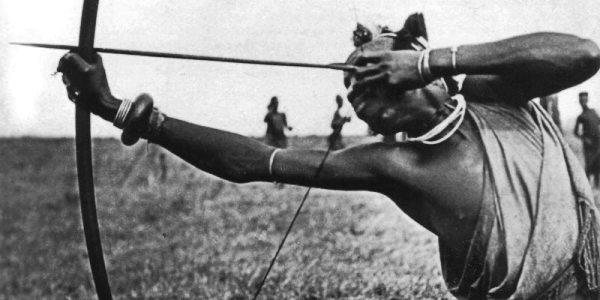
For centuries, Rwanda existed as a centralized monarchy under a succession of kings from one clan, who ruled through cattle chiefs, land chiefs, and military chiefs. The king was supreme, but the rest of the population lived in symbiotic harmony. In 1899, Rwanda became a German colony, and in 1919, the system of indirect rule continued with Rwanda as a mandate territory of the League of Nations under Belgium.